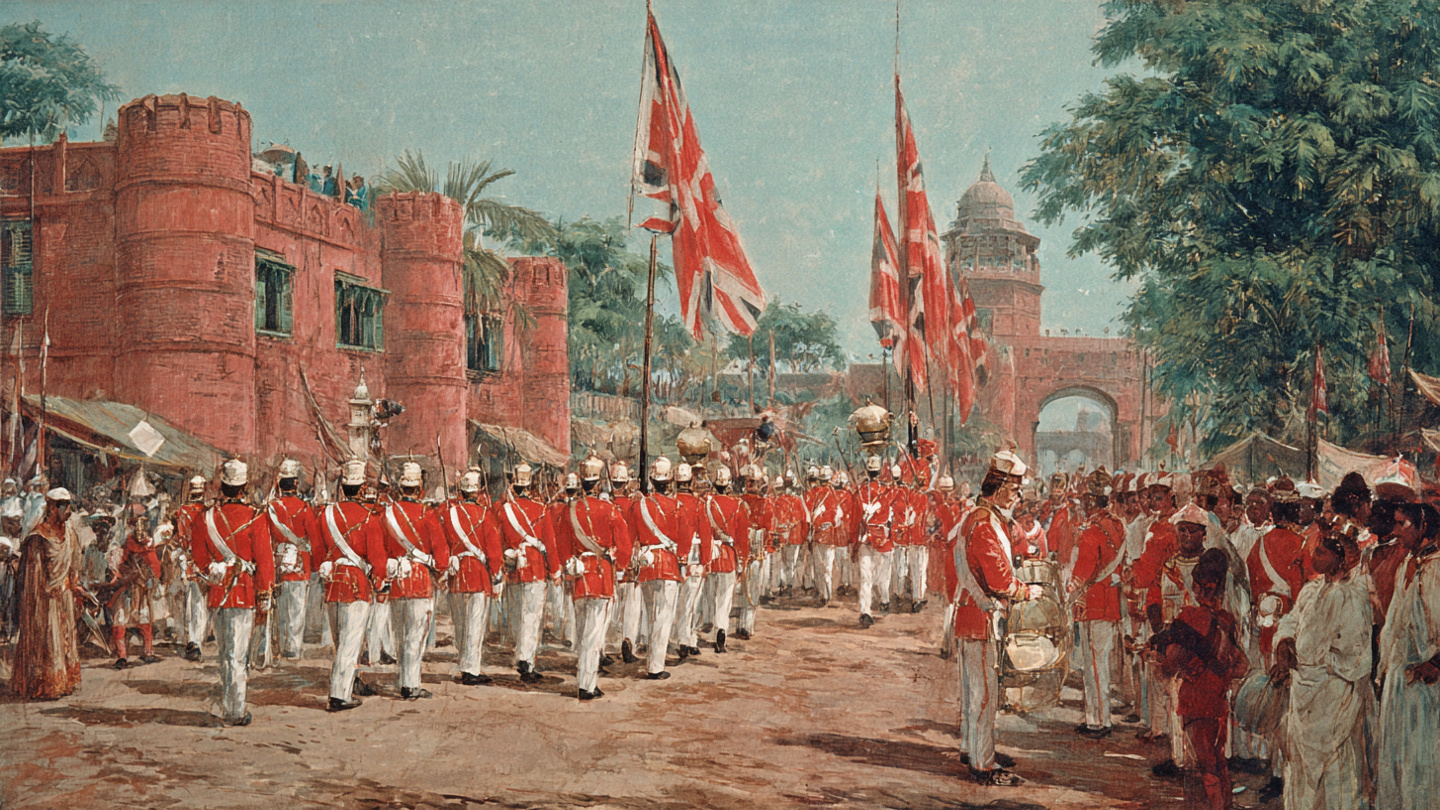


The commercialization of agriculture during British rule in India transformed traditional farming into a market-driven enterprise focused on cash crops for export, fueling British industrial needs rather than local consumption. This shift had deep impacts on India’s economy, society, and agricultural landscape, making it a vital topic for students and competitive exams.
What is Commercialization of Agriculture?
Commercialization of agriculture means farmers began growing crops mainly for sale in national and international markets, rather than for family or local needs. This included crops like cotton, jute, indigo, tea, and sugarcane, which were in high demand in Britain and Europe, replacing traditional food crops.

Why Did It Happen Under British Rule?
-
The British implemented new land settlement systems, Permanent Settlement, Ryotwari, and Mahalwari, that made land a freely exchangeable commodity, driving farmers to produce profitable crops for revenue and export.
-
The Industrial Revolution in England fueled demand for raw materials, prompting Britain to push Indian farmers to grow export-oriented crops.
-
The East India Company acted as a powerful middleman, procuring large quantities of these crops for Britain.
-
Spread of railways and improved transport allowed movement of crops over long distances, connecting rural areas to export centers.
Key Features and Changes
-
Shift from subsistence to commercial farming: Traditional crop rotation for self-sufficiency was replaced with monocultures of cash crops like indigo in Bengal, cotton in Gujarat and Maharashtra, jute in Bengal, and tea in Assam.
-
Monetization: Money economy replaced barter systems, and revenue payments were demanded in cash, increasing dependency on the market.
-
Grain merchants and intermediaries: A class of traders emerged, linking rural producers to urban and export markets.
-
Loss of food security: Preference for cash crops led to neglect of food grains, increasing vulnerability to famines.
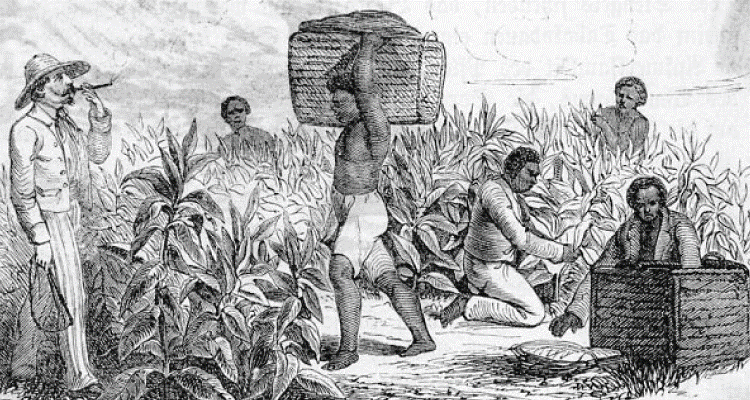
Impact on Indian Society
-
Widened economic inequalities: Wealthier farmers and traders benefited most, while small peasants struggled with fluctuating prices and indebtedness.
-
Famines and rural distress: Diversion from food crops contributed to periodic famines, as seen in several regions during late 19th century.
-
Loss of traditional practices: Custom and tradition were replaced by contracts and market competition, impacting rural social structure.
Sample FAQ blocks:
Q1: What led to commercialization of agriculture in India during the British period?
A1: The introduction of new land revenue systems, European industrial demand, improved transport, and policy changes by the British were key drivers.
Q2: What were the effects of commercialization of agriculture under British rule?
A2: Economic inequalities increased, rural famines became common, and cash crops replaced food crops, benefiting colonial interests.
Conclusion
Commercialization of agriculture during British rule had lasting consequences for India, reshaping its rural economy to serve colonial interests. Understanding these changes is crucial for students and helps connect historical agriculture with social and political issues in India today.
tags: [commercialization of agriculture, British rule, colonial India, cash crops, cotton cultivation, indigo farming, jute industry, tea plantations, Indian economy, rural transformation, agrarian change, food scarcity, cash crop export, agriculture history, British policies, economic impact, social effects, farming under colonial rule, CBSE history, UPSC notes, Indian agriculture, land revenue system, subsistence farming, market-driven agriculture]