

The 19th and early 20th centuries were marked by sweeping changes in Europe, altering not just how societies were governed, but who truly held the reins of power. The French Revolution set the world ablaze with ideas of freedom and equality, but it was the birth of socialism and the Russian Revolution that gave shape to entirely new ways of organizing society.
The Winds of Change
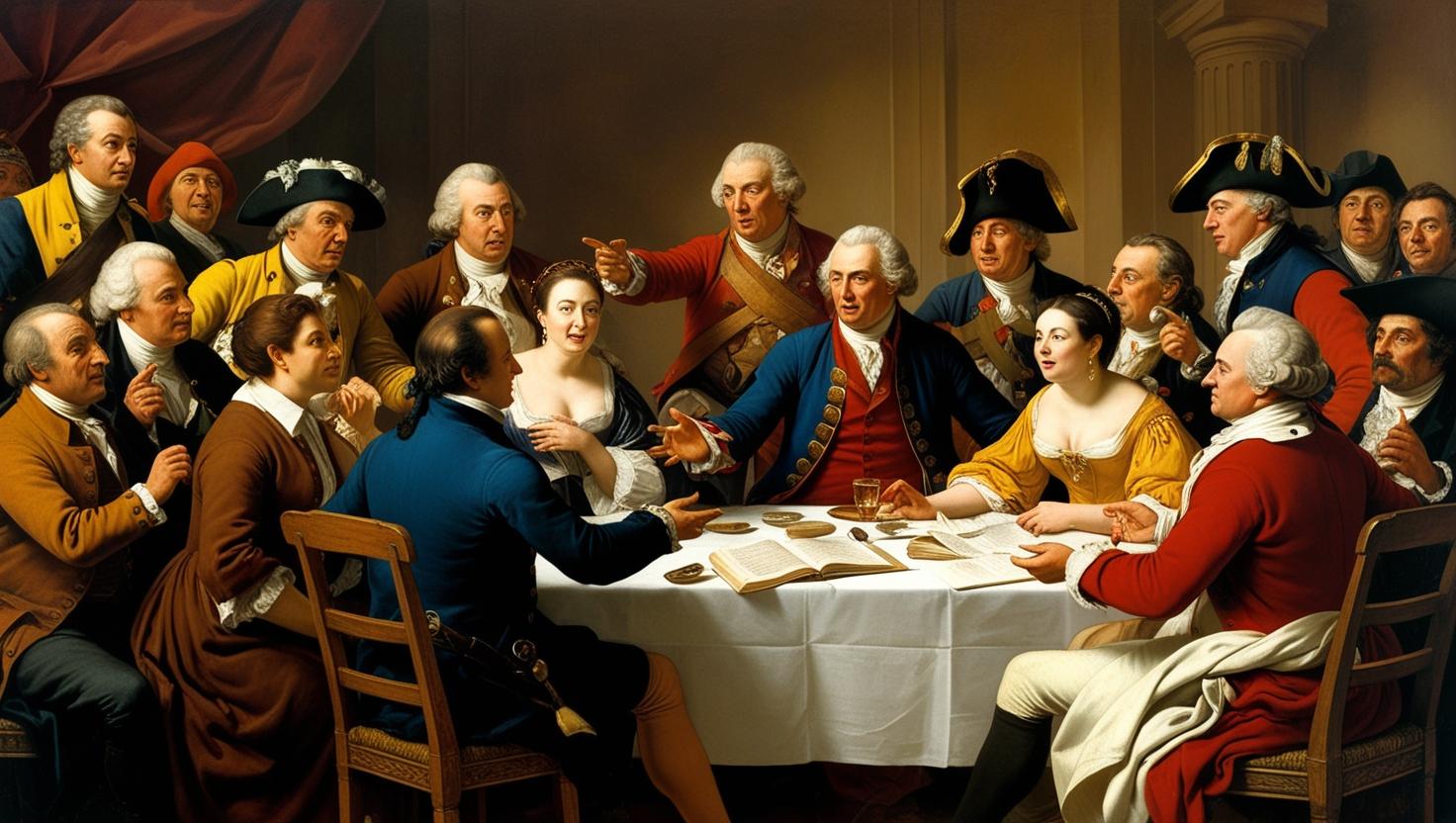
Before the dawn of the modern era, Europe’s societies were deeply stratified—nobles and clergy enjoyed privileges while the majority labored. Inspired by the French Revolution, thinkers and reformers debated how to create fairer societies. Liberals called for constitutional government and protection of individual rights—though generally only for men with property. Radicals pushed further, seeking broader representation and extending rights to women and the working class. Conservatives, on the other hand, urged caution but eventually accepted that gradual reform was necessary.
The Machine Age and the Rise of Socialism
Industrialization brought both progress and misery. In cities, factories boomed—but so did poverty, long hours, and dismal conditions for workers. Out of these contradictions, socialism emerged. Socialists argued that private property enabled a few to profit at the many’s expense. Visionaries like Karl Marx, Friedrich Engels, Robert Owen, and Louis Blanc shaped views on economic justice, aspiring to a future where collective interest trumped individual gain.
From Ideas to Revolution
While socialism gained supporters throughout Europe, it was in backward, autocratic Russia that dreams of a workers' state became reality. The colossal hardships of the First World War exposed the Russian monarchy’s fragility. In 1917, the Tsar was overthrown. After months of struggle and disillusionment with the new Provisional Government, Lenin and the Bolsheviks seized power, promising “bread, peace, and land.”
Building a New World
Radical change followed. The Bolsheviks nationalized industry, redistributed land, and disbanded old hierarchies. But ideals soon collided with harsh realities. Civil war, foreign intervention, economic difficulties, and fierce repression left scars. Stalin’s forced collectivization modernized Soviet agriculture—but at a tremendous human cost. Despite these contradictions, the USSR rose as a global symbol of socialism, inspiring movements worldwide.
The Legacy
The ideals of 1917 brought hope to millions, sparking communist parties across continents. Yet, over time, the iron grip of one-party rule and curtailment of freedoms prompted critique even from within. By the late 20th century, the allure of the Soviet system faded, but the questions raised by socialism—about equality, justice, and democracy—continued to reshape societies everywhere.